
Choosing a diet for weight management can be confusing when every website seems to recommend a different approach. Some plans focus heavily on cutting carbohydrates, while others promote fasting, strict calorie limits, or specific “fat-burning” foods. A practical approach is usually much simpler: choose nutritious foods, pay attention to portions, stay active, and develop habits you can maintain.
The best diet plan for healthy weight loss should fit your normal routine instead of forcing you to completely change your lifestyle. Your meals should provide enough protein, fiber, carbohydrates, healthy fats, vitamins, and minerals while helping you manage your overall energy intake.
Rather than looking for the fastest possible result, concentrate on habits that can still work several months from now. A flexible eating pattern can make it easier to handle busy workdays, restaurant meals, family occasions, and weekends without feeling that one meal has ruined your progress.
This guide explains how to create balanced meals, choose filling foods, plan practical meals, include exercise, and avoid common habits that can make weight management unnecessarily difficult.
What Healthy Weight Loss Really Means
Healthy weight loss is not simply about seeing a smaller number on the scale. It is about gradually changing the habits that influence your food choices, activity levels, sleep, and overall lifestyle.
A useful weight-management routine can include:
- Eating mostly nutrient-rich foods
- Choosing portions that match your individual needs
- Getting regular physical activity
- Including adequate protein and fiber
- Drinking enough fluids
- Getting consistent sleep
- Managing stress in healthier ways
Progress also does not look identical for everyone. Body weight can move up and down because of changes in fluid levels, digestion, activity, and other factors. Looking at longer-term trends is often more useful than judging your progress from one day’s measurement.
If you have a medical condition, take prescription medication, are pregnant, or have particular nutritional requirements, discuss major changes to your diet with an appropriately qualified healthcare professional.
How Weight Loss Works?
Weight generally decreases when the body uses more energy over time than it receives from food and drinks. This situation is commonly described as an energy or calorie deficit.
However, simply focusing on calories does not tell the whole story. Two meals with similar calorie amounts can feel very different. A meal containing protein, vegetables, whole grains, and a source of healthy fat may keep you satisfied longer than a highly processed meal with little fiber or protein.
This is why a useful weight-loss strategy considers both how much you eat and what makes up your meals.
Instead of trying to make every meal extremely small, build meals that are filling and nutritious. This can make it easier to manage hunger and maintain your eating pattern over time.
The Three Macronutrients Your Body Needs
A balanced diet can include protein, carbohydrates, and dietary fat. These nutrients perform different jobs, so there is generally no need to remove an entire macronutrient group simply because you want to lose weight.
Protein
Protein supports normal tissue maintenance and helps preserve muscle. Including a protein source in meals can also make meals more satisfying.
Practical choices include:
- Eggs
- Chicken or turkey
- Fish
- Greek yogurt
- Cottage cheese
- Tofu
- Lentils
- Chickpeas
- Beans
Instead of eating the same protein every day, rotate different options throughout the week. For example, eggs can work at breakfast, chicken can be used at lunch, and fish or beans can form the basis of dinner.
Carbohydrates
Carbohydrates can provide energy for everyday activities and exercise. They do not automatically prevent weight loss.
Choose carbohydrate sources that also contribute useful nutrients and fiber, such as:
- Oats
- Brown rice
- Quinoa
- Beans
- Potatoes or sweet potatoes
- Whole-grain bread
- Whole-wheat pasta
- Fruit
- Vegetables
The amount that works best depends on your overall diet, activity level, and individual energy requirements.
Dietary Fat
Dietary fat is another important part of a balanced eating pattern. Foods such as nuts, seeds, avocado, and olive oil can add flavor and make meals more satisfying.
Because fat provides a relatively concentrated source of energy, portions still matter. A small amount of nuts, seeds, or oil can be enough to complement a meal without adding excessive calories.
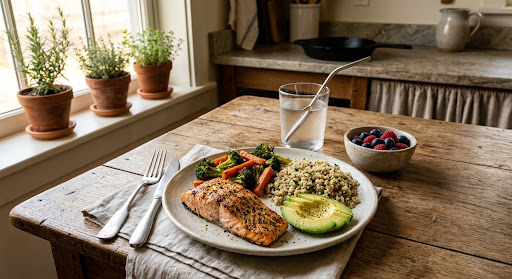
How to Build a Balanced Weight Loss Plate?
You do not have to weigh every ingredient to make a meal more balanced. A simple plate-based approach can help you organize food without turning every meal into a calculation.
For a typical lunch or dinner, consider:
- Vegetables: Make vegetables a substantial part of the meal.
- Protein: Add chicken, fish, eggs, tofu, beans, or another protein source.
- Carbohydrates: Include an appropriate serving of potatoes, whole grains, rice, or another carbohydrate.
- Healthy fat: Add a modest amount of nuts, seeds, avocado, or olive oil.
For example, a meal could combine grilled chicken with roasted vegetables, brown rice, and a small amount of avocado.
Your ideal portions can differ depending on your body size, activity level, age, health needs, and personal goals.
Why Extreme Diets Can Be Difficult to Maintain
A diet may appear attractive when it promises dramatic results in a short period, but extremely restrictive rules can be difficult to maintain during everyday life.
A plan becomes particularly challenging when it leaves little room for normal situations such as eating with family, attending celebrations, traveling, or having a busy day at work.
Following an overly restrictive diet may leave you feeling hungry more often and make it difficult to get a balanced range of essential nutrients.
Instead of asking only how quickly a diet might reduce your weight, consider whether you could realistically follow its rules six months from now.
A flexible plan that allows reasonable food choices and occasional treats may be easier to maintain than a diet built around strict restrictions.
Smart Food Choices for Healthy Weight Management
There is no single food that automatically causes body fat to disappear. A better strategy is to combine foods that provide protein, fiber, nutrients, and satisfying flavors.

Protein-Rich Foods
Protein can be included at breakfast, lunch, dinner, and, when appropriate, snacks.
Useful options include:
- Eggs
- Chicken
- Turkey
- Salmon
- Tuna
- Greek yogurt
- Cottage cheese
- Tofu
- Lentils
- Chickpeas
- Beans
For example, Greek yogurt and fruit can make a convenient breakfast or snack, while chicken, beans, or fish can provide the main protein component of lunch or dinner.
Vegetables
Vegetables can add volume, texture, and fiber to meals without requiring large portions of calorie-dense foods.
Try a mixture of:
- Broccoli
- Spinach
- Peppers
- Cauliflower
- Carrots
- Zucchini
- Green beans
- Cucumber
- Brussels sprouts
- Asparagus
Fresh, frozen, and suitable canned vegetables can all be practical choices. Frozen vegetables can be particularly convenient when fresh produce is not available.
Whole Grains
Whole grains can contribute carbohydrates and fiber while providing variety to meals.
Examples include:
- Oatmeal
- Brown rice
- Quinoa
- Barley
- Farro
- Whole-grain bread
- Whole-wheat pasta
Rather than removing grains completely, consider how much you are serving and what you are pairing them with.
Whole Fruits
Fruit can be a convenient way to add sweetness and nutrients to your diet.
Options include:
- Apples
- Berries
- Oranges
- Pears
- Kiwi
- Peaches
- Melons
Whole fruit generally provides more fiber than fruit juice, making it a useful choice for many people.
Healthy Fat Sources
Moderate portions of foods containing unsaturated fats can complement a balanced diet.
Examples include:
- Avocado
- Almonds
- Walnuts
- Pistachios
- Chia seeds
- Flaxseed
- Olive oil
- Natural nut butter
Because these foods can be energy-dense, paying attention to serving sizes is useful.

Sample 7-Day Healthy Weight Loss Meal Plan
The following example is designed as a practical starting point rather than a personalized medical diet. Portion sizes should be adjusted according to individual needs.
Day 1
Breakfast: Oatmeal topped with berries, cinnamon, and a small portion of walnuts.
Lunch: Grilled chicken with brown rice and a large serving of mixed vegetables.
Snack: Plain Greek yogurt with fresh berries.
Dinner: Baked salmon with sweet potato and green beans.
Day 2
Breakfast: Vegetable omelet with whole-grain toast.
Lunch: Grilled chicken and hummus whole-grain wrap served with a fresh vegetable salad.
Snack: Carrot sticks with hummus.
Dinner: Shrimp with quinoa and roasted vegetables.
Day 3
Breakfast: A bowl of plain yogurt topped with sliced strawberries, rolled oats, and a sprinkle of chia seeds.
Lunch: Chickpea and quinoa salad with cucumber, tomatoes, and leafy greens.
Snack: An orange with a small portion of nuts.
Dinner: Turkey and bean chili served with a large green salad.
Day 4
Breakfast: Oatmeal with banana and a small amount of natural peanut butter.
Lunch: Grilled chicken salad containing mixed vegetables and a modest amount of olive-oil-based dressing.
Snack: Cottage cheese with fruit.
Dinner: Baked cod with brown rice and roasted vegetables.
Day 5
Breakfast: Scrambled eggs with spinach and whole-grain toast.
Lunch: Quinoa bowl with turkey, lettuce, cucumber, tomatoes, and avocado.
Snack: Apple with natural peanut butter.
Dinner: Grilled chicken with sweet potato and green vegetables.
Day 6
Breakfast: Scrambled eggs with whole-grain toast, sliced avocado, and fresh fruit.
Lunch: Tuna and vegetable whole-grain sandwich with a side salad.
Snack: Fresh fruit and a small serving of nuts.
Dinner: Tofu or chicken stir-fry with mixed vegetables and brown rice.
Day 7
Breakfast: Vegetable omelet with avocado and whole-grain toast.
Lunch: Lentil salad with mixed vegetables and a modest serving of whole grains.
Snack: Greek yogurt with berries.
Dinner: Baked salmon or another suitable protein with quinoa and roasted vegetables.
You can substitute foods according to your preferences, budget, allergies, availability, and nutritional requirements. The purpose of a meal plan is to make healthy choices easier, not to create a rigid schedule that cannot be changed.
Common Nutrition Myths About Weight Loss
Myth 1: You Must Remove Carbohydrates
Cutting out all carbohydrates is not necessary for everyone who wants to lose weight. Foods such as oats, beans, fruit, potatoes, and whole grains can contribute useful nutrients.
The more practical approach is to consider the type of carbohydrate, serving size, and how it fits into your overall eating pattern.
Myth 2: Skipping Meals Automatically Produces Better Results
Skipping meals is not a requirement for weight loss. Some people prefer fewer meals, while others find that regular meals help them manage hunger.
The better option is the eating schedule that supports adequate nutrition and is realistic for your daily routine.
Myth 3: Every Type of Fat Causes Weight Gain
Fat is an essential nutrient. Foods such as avocado, nuts, seeds, and olive oil can be included in a balanced diet.
The important consideration is the overall amount and portion size rather than treating all dietary fat as something that must be avoided.
Myth 4: Supplements Are the Key to Losing Weight
Supplements should not replace nutritious food, regular movement, adequate sleep, and sustainable eating habits.
Be cautious of products that promise dramatic weight loss without requiring meaningful changes to your lifestyle.
Best Exercises to Support Healthy Weight Loss

Food choices are an important part of weight management, but physical activity can support fitness, strength, mobility, and long-term health.
You do not need an extremely demanding exercise routine. A combination of activities can provide variety and make exercise easier to maintain.
Walking
Walking is a simple option for increasing daily activity. You can fit it into your routine by walking during a lunch break, taking an evening walk, using stairs when practical, or adding short walks throughout the day.
If you are new to exercise, begin at a comfortable level and gradually increase the duration or intensity.
Strength Training
Resistance exercises can help maintain and develop muscle. Beginner-friendly movements include:
- Squats
- Lunges
- Push-ups
- Rows
- Shoulder presses
- Glute bridges
- Planks
The amount of training appropriate for you depends on your fitness level and health status.
Cardio
Cardiovascular activities can improve endurance and increase physical activity.
Options include:
- Brisk walking
- Cycling
- Swimming
- Jogging
- Dancing
- Hiking
- Rowing
Choose activities you enjoy rather than forcing yourself to repeat an exercise you dislike.
Mobility and Flexibility
Gentle stretching, yoga, Pilates, and mobility exercises can complement other forms of activity. They can be particularly useful for people who spend long periods sitting.
A balanced weekly routine can include different forms of movement instead of relying on one exercise alone.
Common Weight Loss Mistakes to Avoid
1. Choosing Rules That Are Too Strict
A plan with dozens of restrictions may work temporarily but become difficult to follow later. Build an eating pattern that leaves room for normal life.
2. Forgetting About Drinks
Soft drinks, sweetened coffees, energy drinks, and other beverages can contribute significant calories without providing much fullness.
Water and unsweetened drinks can be practical everyday choices.
3. Eating Without Paying Attention to Portions
Even nutritious foods can contribute a large amount of energy when portions become excessive. Pay particular attention to calorie-dense foods such as oils, nuts, nut butters, and large servings of grains.
4. Eating Too Quickly
When meals are rushed, it can be harder to notice feelings of fullness. Try slowing down, putting utensils down between bites, and reducing distractions when possible.
5. Expecting Daily Scale Changes
Daily changes on the scale are normal and do not necessarily reflect changes in body fat. Water retention, food intake, digestion, sodium, and exercise can all affect the number on the scale.
Instead of reacting to every change, look at longer-term trends and other signs of progress.
Frequently Asked Questions
What Should a Best Diet Plan for Healthy Weight Loss Include?
There is no single eating plan that is ideal for every person. A practical Best Diet Plan for Healthy Weight Loss should include nutritious foods, appropriate portions, adequate protein and fiber, and an approach that you can maintain consistently.
How Much Weekly Weight Loss Is Considered Reasonable?
Weight-loss rates vary between individuals. A gradual approach is generally more sustainable than trying to achieve dramatic changes within a short period. If you need an individualized target, speak with a qualified healthcare professional.
Do I have to stop eating carbohydrates?
No. Nutrient-rich carbohydrates such as oats, beans, fruit, potatoes, and whole grains can be part of a balanced eating pattern. Portion size and overall dietary intake are important considerations.
Can you lose weight without exercise?
Dietary changes can contribute to weight loss, but exercise offers additional benefits for fitness, strength, cardiovascular health, and maintaining an active lifestyle. Combining sensible nutrition with regular movement can be beneficial.
What are healthy snacks for weight loss?
Useful options include Greek yogurt with berries, an apple with a small amount of nut butter, cottage cheese, fresh fruit, vegetables with hummus, hard-boiled eggs, or a modest serving of nuts.
The appropriate snack depends on your overall diet and individual energy needs.
Do I need to count calories?
Not necessarily. Some people find calorie tracking useful, while others prefer portion awareness and balanced meals. The method that works best is one that helps you make sustainable choices without becoming unnecessarily difficult to maintain.
Final Thoughts
The Best Diet Plan for Healthy Weight Loss does not need to be complicated. Instead of depending on extreme restrictions or short-term trends, build your meals around nutritious foods and develop habits that fit your everyday routine.
Start with a few realistic changes. Add more vegetables to your meals, include a reliable protein source, choose nutrient-rich carbohydrates, pay attention to portions, drink water regularly, and stay physically active.
Most importantly, give yourself time. Weight management is a gradual process, and occasional setbacks are normal. A sustainable routine that you can repeat is more useful than a perfect plan that lasts only a few days.
If you have a medical condition, take medication, are pregnant, or have specific dietary requirements, consult an appropriate healthcare professional before making significant changes to your diet or exercise routine.